

NEW YORK
State of Mind


I remember the first time I came to New York. I had just turned sixteen years old, was living in Louisville, Kentucky with my mother and sister, was in high school and working for a small modeling agency making television commercials. I had caught the eye of an agent in Manhattan who invited me up for an interview. I’ll never forget arriving, standing in the middle of a sidewalk on Sixth Avenue, looking up and thinking, Where in the world do you begin here?
The city felt enormous. Imposing. Overwhelming.
New York can be an intimidating place, for sure. Yet few cities occupy our collective imagination quite like it. People love to visit here, dream of moving here, and not simply because of what the city offers, but for what it represents. Like the Statue of Liberty herself, New York embodies ambition, reinvention and the belief that a bigger life might be possible.
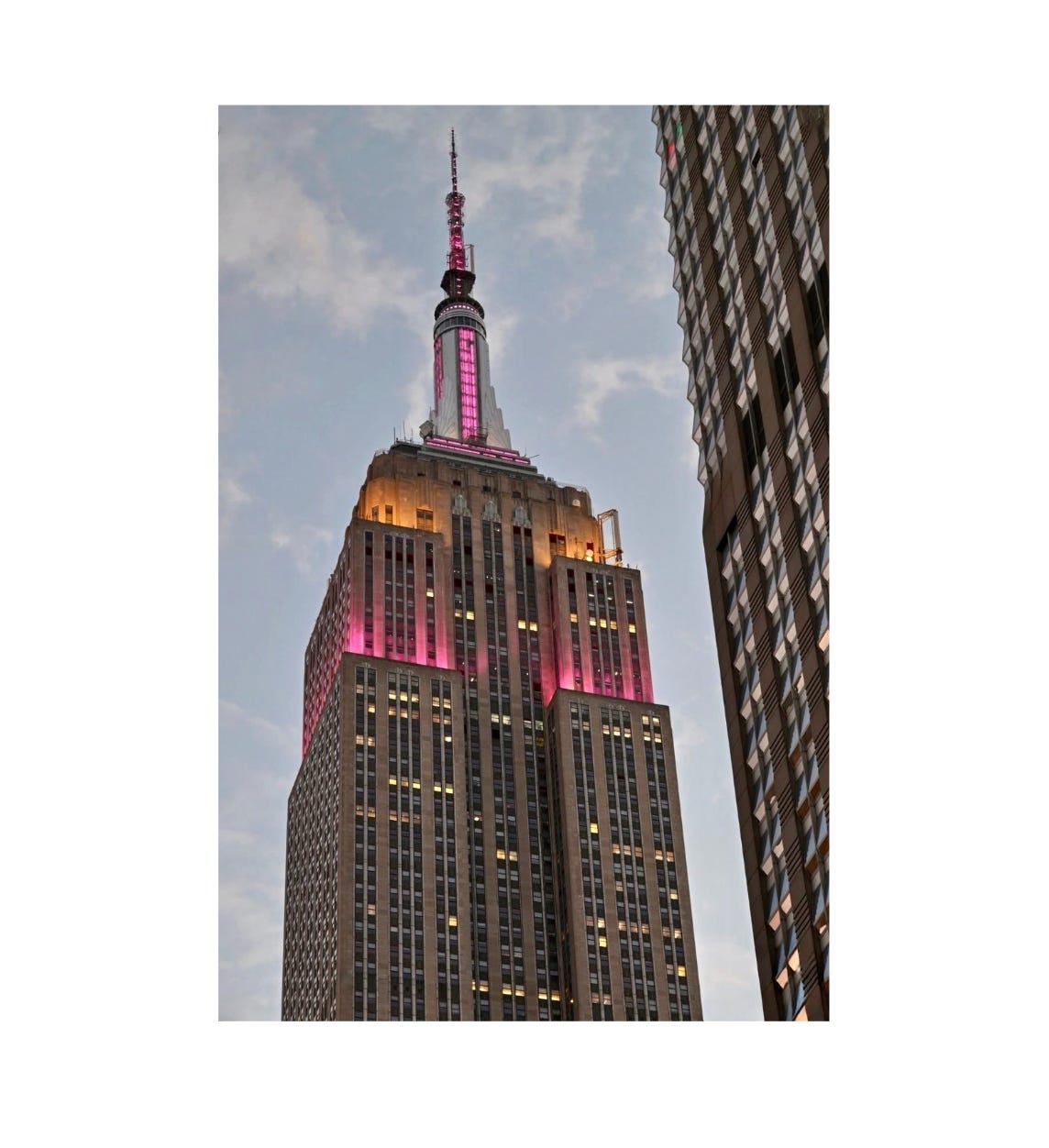
Manhattan is unlike any other city in the world. And this summer, it feels especially alive. Fresh off a championship run after a 53-year drought, the Knicks are back (Way to go, Knicks!). The city is hosting World Cup matches, Shakespeare in the Park is underway, the U.S. Open returns in August, new plays continue to open on Broadway, and concerts, festivals and other events provide more options than anyone could possibly keep up with.
But here’s what I find most interesting. While New York has always been a place people love to visit, it’s also a city that continues to draw people to live here. Other cities may attract us with their history, beauty, or pace. But New York offers something entirely different. Its appeal is rooted in challenge. It promises competition, rawness, uncertainty and that you’ll be tested in ways you never imagined. And more often than not, the old New York saying is true: “If you can make it here, you can make it anywhere.”
And yet people come in droves.
Despite the cost. Despite the competition. Despite the tiny apartments and the endless headlines predicting the city’s demise, New York continues to attract people from every corner of the country and around the world. Some arrive with a job, some with a dream, and some with little more than intuition—or simply the hope that something important is waiting for them here.
SELF INVENTION
Begin. Or Begin Again

The sheer beauty of New York is that you come here to begin. And to invent, or even reinvent, yourself. Whether starting your career or starting your life, at whatever season or age, it’s yours to shape.
People who come here test themselves against the backdrop of some of the most competitive people and industries in the world. Finance, fashion, media, publishing, technology, design, food, the arts—few cities offer the same concentration of opportunity or place such a high premium on ambition.
It’s not for the faint of heart.
.
And for the less ambitious but equally spirited, there’s the culture too. New York has an endless appetite for ideas. Museums, architecture, music, theater, literature, food, and people, people, people. On any given day you can meet someone new, stumble into a conversation about an exhibit, see a performance, or experience something that changes how you see the world. The city exposes you to things and introduces you to people you’d otherwise never have met.
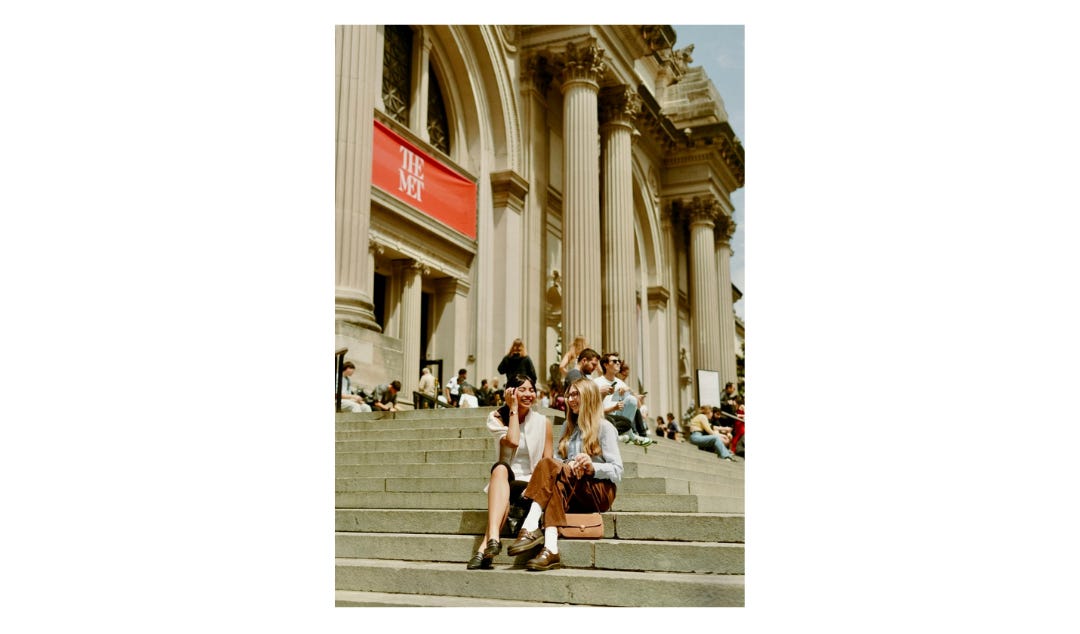
It’s every bit the melting pot you hear about and yet, remarkably, millions of people from every background imaginable live side by side, stacked atop and beside one another. People are everywhere. I think the sheer proximity of so many in such a concentrated space demands empathy, even tolerance, in ways you don’t find in other cities.
But opportunity and culture are only part of the story. What New York really offers is permission. Permission to begin. And to begin again. And again, if necessary.
It allows you to be almost anonymous, to shape and define yourself, and to become more of who you are—or perhaps someone you’ve always wanted to be. It’s a personal freedom few places can foster.
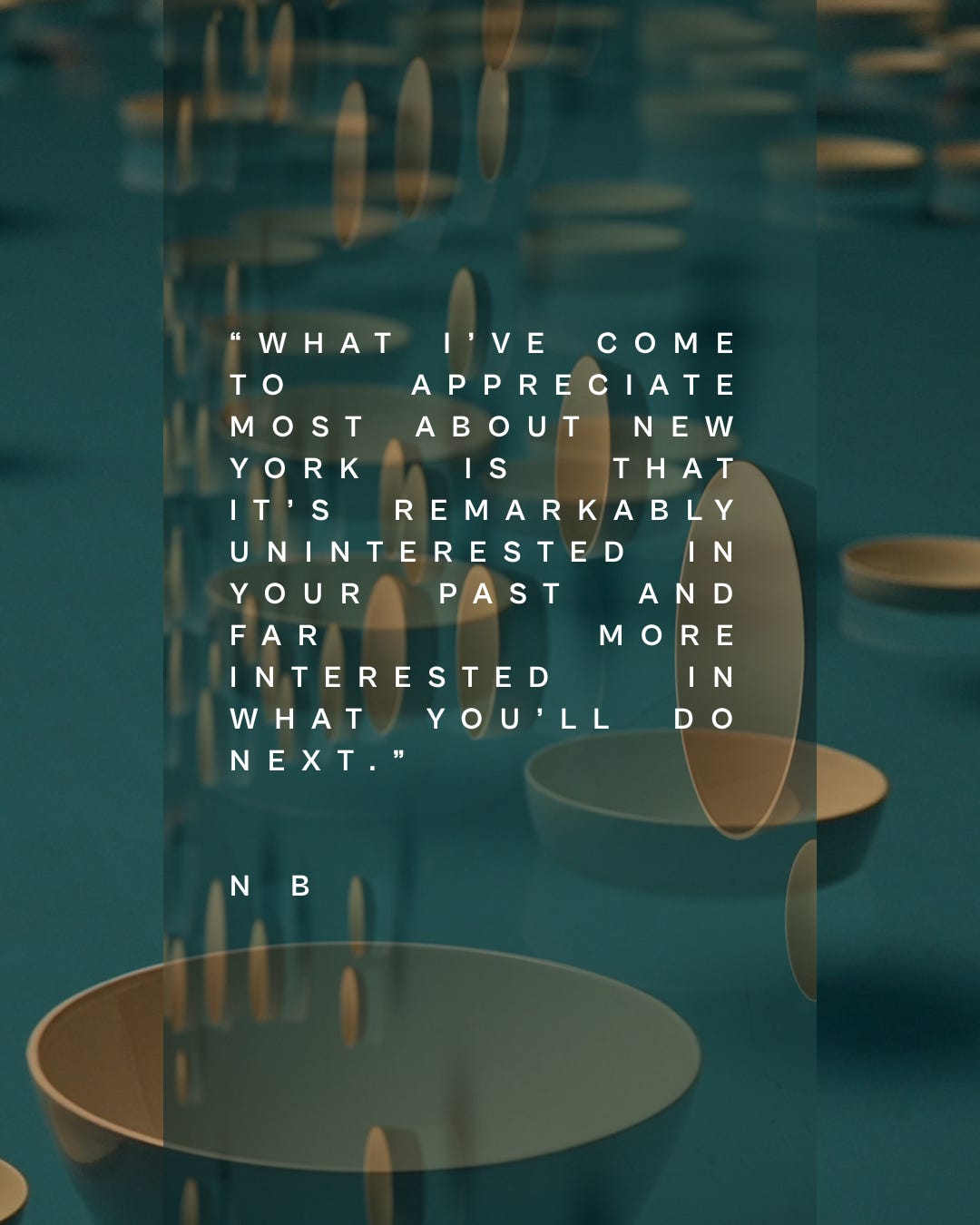
One of the most liberating things I’ve discovered about New York is that few people really care who you used to be. Don’t get me wrong, your reputation is important, but it’s the reputation you build and the work you create here that become your hallmark. The city isn’t particularly interested in the small stuff—where you came from or the small-town version of yourself. It’s far more interested in what you’re doing now and next.
And if you choose to live here, that becomes apparent rather quickly.
VILLAGES
What It’s Like To Live in New York City
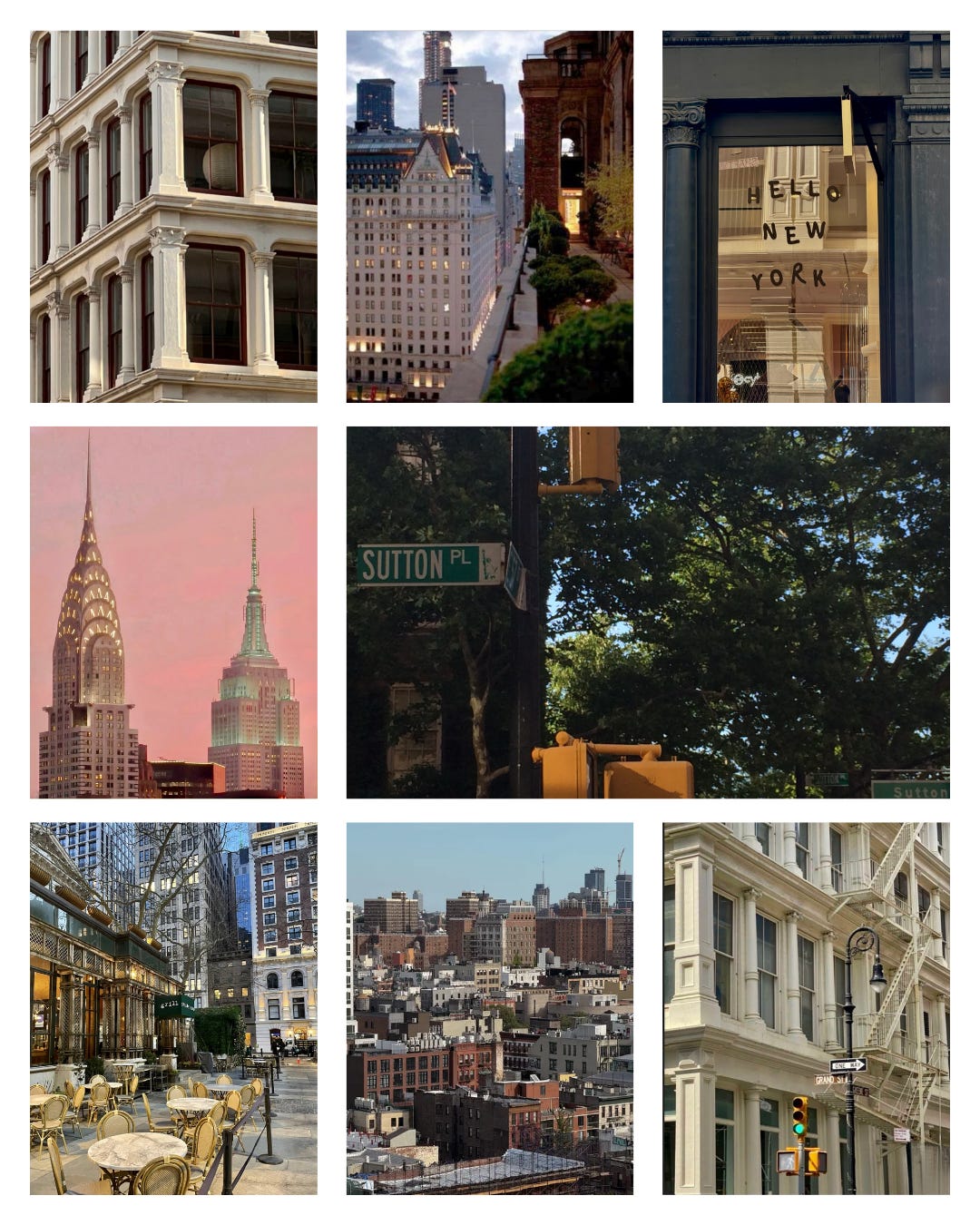
What it’s like to live in New York City is an age-old curiosity, and one I must admit I had myself.
I went to college in Texas and remember going to school with a girl from Manhattan. At the time, East Coast students attending a Southern university were a bit of an anomaly. We were fascinated by her. She was exotic to us. I recall asking a million questions about what it was like to grow up in New York. What did her high school look like? Where did they play sports? Where did she play outside growing up? How did they get groceries? The idea of living anywhere other than a suburban setting where everyone drove most places felt completely foreign.
Yet one of the things that surprised me most when I eventually moved here is that despite its size, daily life in New York is actually quite manageable, even neighborly.
At least that’s the goal.
Manageability is everything in a city where time is precious and commuting can consume enormous parts of the day. New Yorkers become masters of proximity. Life works best when the things you need most are close at hand: home, work, the gym and a good market. You’ve truly arrived when your local coffee shop knows your order before you’ve finished giving it.
And there’s New York’s charm—and its paradox. Before long, wherever you live becomes a small town within the larger city.
You know where to buy flowers, pick up a last-minute bottle of wine, grab a sandwich, get a key copied, or have a hem repaired in an hour. You know which bakery has the best croissants, which bagel shop has the best bagels, and which local café serves the best rotisserie chicken. Familiar faces begin appearing everywhere, and daily life starts unfolding within a surprisingly small radius.
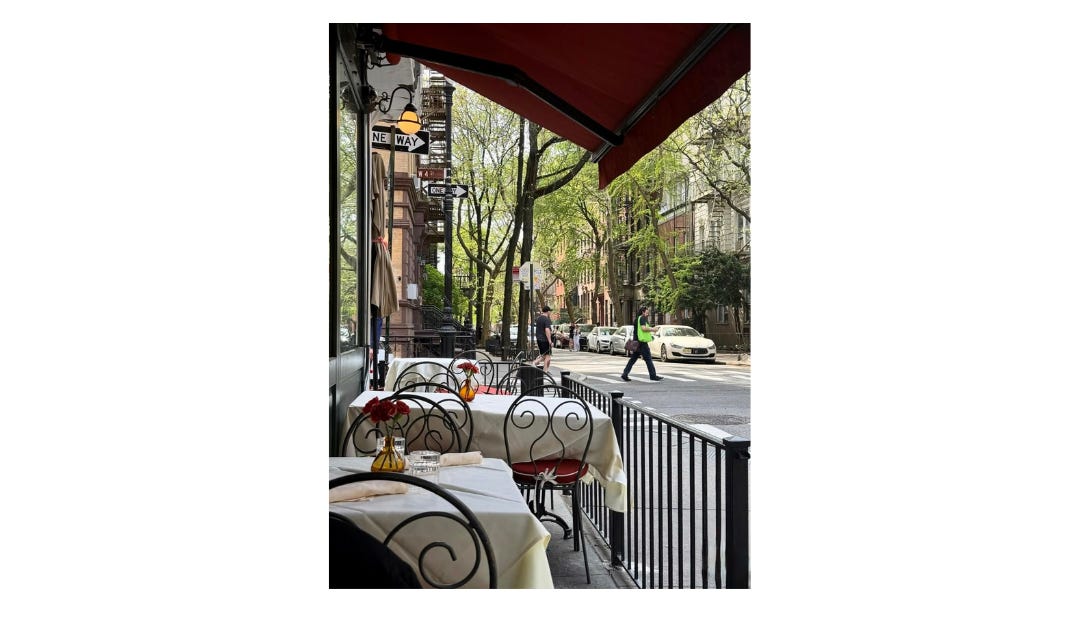
What makes New York work isn’t really the city itself. It’s the neighborhoods.
People don’t fall in love with New York in the abstract. They fall in love with the Upper West Side, the West Village, Tribeca, Sutton Place, Cobble Hill, Brooklyn Heights or Long Island City. Every neighborhood has its own personality, rhythm and cast of characters. Some attract young professionals building careers. Others attract families looking for permanence. Some feel distinctly residential, while others seem to operate around the clock. Moving ten blocks can sometimes feel like crossing into an entirely different city.
And yet, within each neighborhood, the same thing happens.
People build villages.
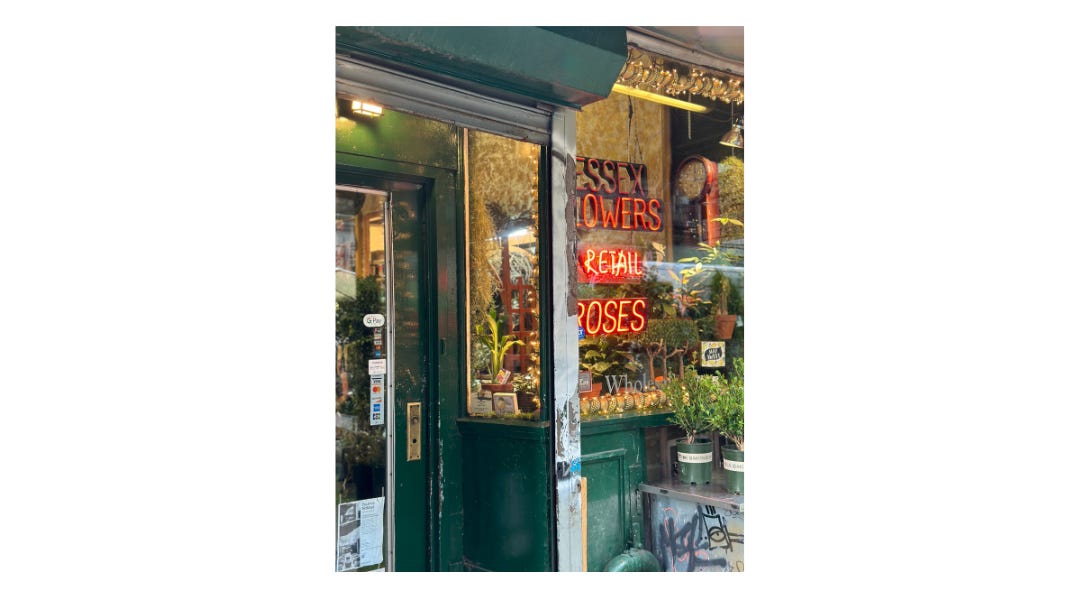
The dry cleaner knows your name. The woman at the flower shop remembers what you bought last week. The doorman in the neighboring building waves hello—and if you’re lucky, helps you hail a cab.
Slowly, without realizing it, you stop feeling like someone living in New York and start feeling like someone living in your neighborhood.
I think New York is adopted this way. Despite how you may feel about it in the beginning, more often than not the city finds its way into your identity, your pride and your heart. Sometimes it’s a love-hate relationship; again, it’s not always easy. But there’s something of a badge of honor that comes with living here long enough. The city changes you, and somehow you become part of it.
The great paradox of New York is that while it appears enormous and daunting from the outside, it becomes remarkably intimate once you live here.
IF YOU KNOW, YOU KNOW
What New Yorkers Know and Don’t Know
What New Yorkers know, and one of the first things you learn if you move here, is that the city operates on a set of unwritten rules, and somehow everyone seems to know them.
Take restaurant reservations. Every New Yorker knows there’s a way into even the most impossible table in town. A private number. A friend who knows a friend. Who you know in New York matters. The city runs on relationships and resourcefulness, and people become remarkably skilled at finding both.
New Yorkers also have a very different relationship with time and distance. Twenty minutes is considered close. Thirty minutes is normal. Forty-five minutes is a perfectly manageable commute if it means living in the neighborhood or borough you really want.
People in other cities think of walking as exercise; New Yorkers think of it as transportation. And if they want to speed it up, they’ll grab a Citi Bike. Many organize their daily schedules around walking and cycling, and plenty will tell you that some of their best thinking happens while doing it.
The rhythm of the city surprises people too. New York is, at its core, a work town. Weeknight dinners, whether for business or at someone's home, often begin earlier and end earlier too. People have early mornings and long days. Everyone understands the drill. Show up on time, enjoy yourself and leave at a reasonable hour.
Living in an apartment building comes with its own code of conduct. New Yorkers quickly learn that doormen, supers and building staff are among the most important people in their daily lives. They sign for packages, solve problems and occasionally perform small miracles. Come holiday season, if you’re a New Yorker, you tip. The amount is generally commensurate with their seniority, how long you’ve lived there and how much you rely on them. Ask around. Your doormen and super will have expectations, and you’ll want to meet them—especially if you want service!
Perhaps the biggest surprise, however, is that for all its size and reputation, New York can feel remarkably personal. You begin to know the names of your neighbors. You recognize familiar faces on your block. Over time, these small relationships become part of the fabric of daily life and transform a city of millions into something that feels surprisingly familiar.
DESIGN 101: NEW YORK
Fashioning Your Best Life

If New York teaches you anything, it’s that life here is less about square footage and more about systems.
When people first move to the city, they tend to obsess over the apartment. The view. The building. The amenities. All understandable. But after living here for years, I’ve come to believe that the area surrounding the apartment is every bit as important as the apartment itself.
The smartest New Yorkers don’t simply choose apartments. They choose neighborhoods. More specifically, they choose neighborhoods that support a busy work life because New York is a working town.
They think about where they work, how they spend their time, where they’ll buy groceries, get their dry cleaning done, work out, walk the dog, or grab a coffee. They understand that in a city this large, convenience is strategy.
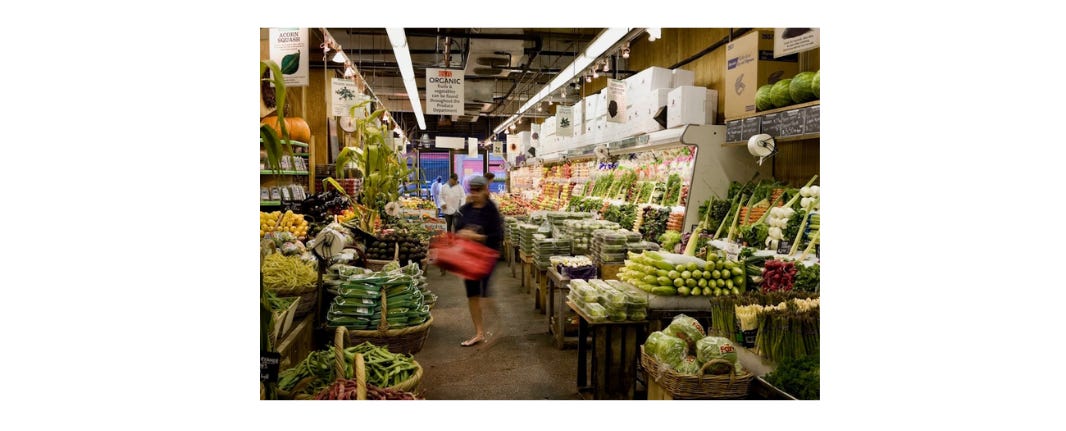
One of the best pieces of advice I can offer anyone moving here is to live as close to work as you can reasonably afford. New York has a way of teaching you that time is the ultimate luxury. Plus it’s a working town.
While city dwellers often justify a longer commute to live in the cool or tony neighborhood they desire—and admittedly, there is always a trade-off—the more you can reduce the commute, the better your quality your life will be.
This is one reason so many New Yorkers willingly sacrifice space. While much of the country measures success in square footage, New Yorkers tend to measure it in access. Access to work, friends, restaurants, parks, the daily stuff that make life easier and more enjoyable.
As a designer, I’ve always found this fascinating because many of the principles that make a home function well are the same principles that make a life function well. Good design is rarely about having more. It’s about having what works.
So, for those considering a move—or simply contemplating their next apartment—here are a few things I always look for:
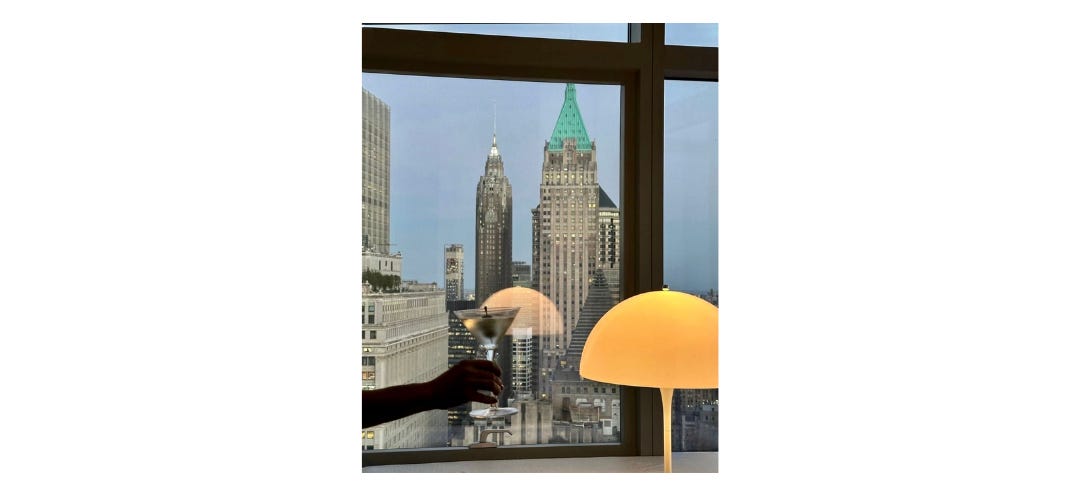
Choose natural light over square footage whenever possible. A smaller apartment flooded with sunlight will almost always feel better than a larger one with poor light.
Pay attention to layout before finishes. Paint colors can be changed. Fixtures can be replaced. A great floor plan that yields more usable space is far harder to find and infinitely more valuable.
Think carefully about storage. Every inch matters in New York and clutter feels amplified when space is limited.
Don’t underestimate the laundry situation. A washer and dryer in the apartment is a luxury. A laundry room in the building is excellent. A reliable wash-and-fold service nearby is often perfectly manageable. Beyond that, I’d think carefully because what feels like a minor inconvenience during an apartment tour can become a major annoyance in daily life.
Pay attention to the building itself. A responsive super and a well-run building may not sound exciting when you’re apartment hunting, but they become invaluable once you’re living there.
Ask questions. About the neighbors. About noise. About smokers in adjacent units if that’s important to you. About building culture. The apartment matters, but so does the experience of living in it.
Over time, most New Yorkers discover that the things that matter most are rarely the things they thought would matter when they first arrived.
And ultimately, that’s what designing a life in New York is about: Creating a version of city living that feels practical, sustainable, personal and, most importantly, distinctly your own.
SUMMER CITY
The Big Apple in Full Swing
There’s never a shortage of things to do in New York, but summer has a way of softening the city and making it feel a little more playful.
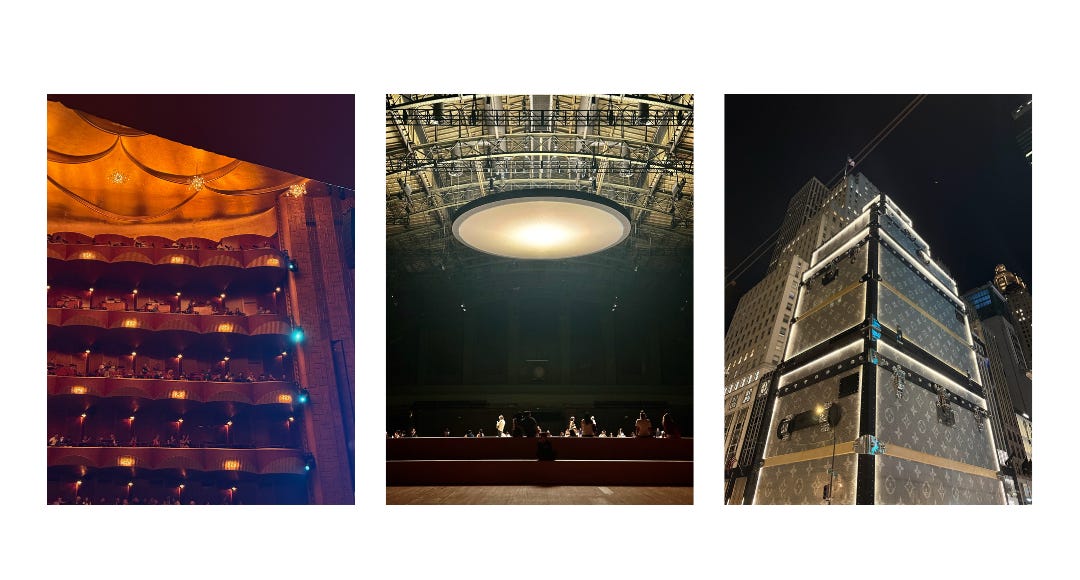
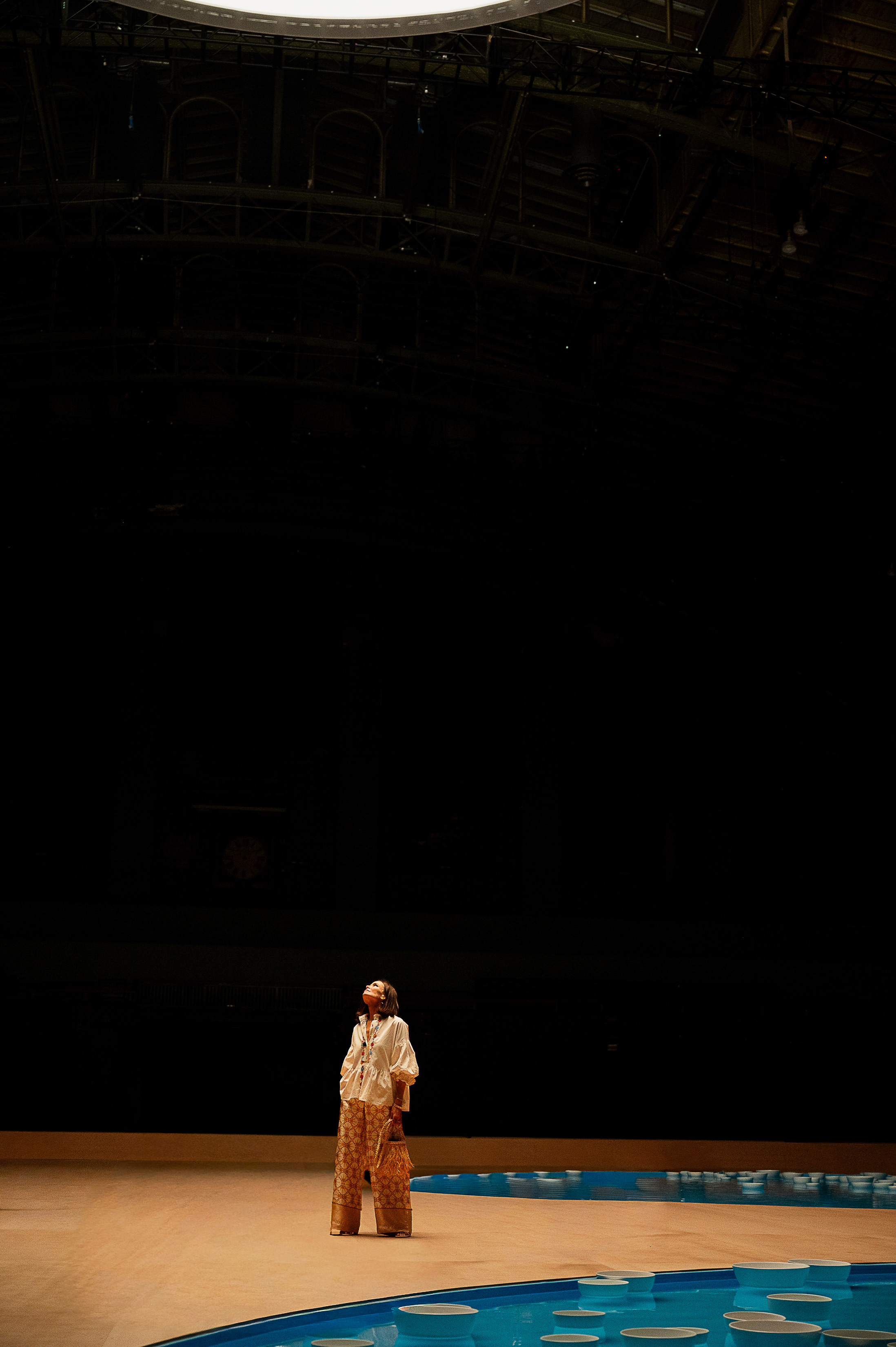
One of the experiences I’d most recommend this summer is Clinamen, the immersive sound installation by French artist Céleste Boursier-Mougenot at the Park Avenue Armory. It’s unexpected, mesmerizing and exactly the sort of cultural experience New York does so well. The city has always excelled at bringing together art and performance, and this is a wonderful example of that.

Another favorite summer ritual is the Metropolitan Opera’s free outdoor recital series. Each summer, opera moves beyond Lincoln Center and into the parks, where New Yorkers arrive carrying picnic dinners, folding chairs and, occasionally, setups so elaborate they rival a dinner party. I’ve seen beautiful baskets, tablecloths, proper glassware and even candelabras. It’s one of those uniquely New York moments where world-class culture and everyday life blend effortlessly.
Beyond that, summer in New York is about taking advantage of the things the city does better than almost anywhere else. Spend an evening at Shakespeare in the Park or SummerStage, wander through Central Park, enjoy dinner outdoors, walk across the Brooklyn Bridge at sunset, escape into one of the city’s extraordinary museums on an unbearably hot afternoon, catch a Yankees or Mets game, or end the day on one of the many rooftops overlooking the skyline.
This summer, the city feels especially energized. The Knicks have given New Yorkers something to celebrate, World Cup matches have begun, Summer Streets once again transform parts of Manhattan into a pedestrian playground, farmers’ markets are in full swing and the city’s calendar seems fuller than ever.
That’s New York. There’s always something happening here.
THE CITY OF BECOMING
What It Really Means to Be a New Yorker
I’ve often wondered why so many people willingly choose one of the hardest places in the world to live.
It’s expensive. Competitive. Demanding. It asks more of you than most places ever will.
And yet we, myself included, come.
I’m convinced it’s not just for our careers, the culture or even the excitement. I think somewhere deep inside, we want to discover what we’re capable of. That’s certainly been true for me.
If you stay long enough, New York has a way of changing you. It asks something of you every single day. It requires courage, often more resilience than we think we have, and definitely more confidence. Then one day you look around and realize you’re doing things that once felt completely beyond you.
Perhaps that’s what becoming a New Yorker really means: allowing this city to shape you into a version of yourself you might never have discovered anywhere else.
And for that, New York will always have my gratitude.


love this....